
Why is my roof leaking? common causes and fixes
BACK
A leaking roof can quickly go from a minor nuisance to a major headache if left untreated. Water intrusion can damage insulation, ceilings, walls, and even your home’s structural integrity. The good news? Many roof leaks stem from common, identifiable issues—and understanding the cause is the first step toward finding the right solution.
Here are the most common reasons your roof may be leaking and what can be done to fix them.
1. Damaged or Missing Shingles
Shingles are your roof’s first line of defense against the elements. When they become cracked, curled, loose, or go missing entirely, water can seep underneath and into your home.
Quick Fix:
Replace damaged or missing shingles as soon as possible to prevent further water penetration.
2. Cracked Flashing
Flashing is the metal material installed around roof penetrations such as chimneys, vents, and skylights. Over time, flashing can crack, rust, or pull away from the roof.
Quick Fix:
Repair or replace damaged flashing and reseal the surrounding area to restore a watertight barrier.
3. Clogged Gutters
When gutters become filled with leaves, dirt, and debris, water can back up onto the roof instead of draining away properly.
Quick Fix:
Clean gutters regularly and ensure downspouts are directing water away from the home.
4. Improperly Sealed Roof Valleys
Roof valleys are where two roof slopes meet, making them especially vulnerable to leaks if not properly sealed.
Quick Fix:
Have a roofing professional inspect and reseal the valleys if deterioration is present.
5. Damaged Vent Boots
Vent boots seal around plumbing vent pipes that protrude through the roof. These rubber seals can crack or deteriorate with age and UV exposure.
Quick Fix:
Replace worn vent boots before water can seep around the pipe opening.
6. Skylight Leaks
Skylights can develop leaks due to failed seals, damaged flashing, or poor installation.
Quick Fix:
Inspect the skylight perimeter for gaps or damage and reseal or replace flashing as needed.
7. Ice Dams in Winter
In colder climates, ice dams can form when snow melts and refreezes at the roof edge, trapping water behind the ice and forcing it under shingles.
Quick Fix:
Improve attic insulation and ventilation to reduce uneven roof temperatures and prevent ice dam formation.
8. Aging Roof Materials
Even the best roofing systems have a lifespan. As materials age, they naturally deteriorate and become more vulnerable to leaks.
Quick Fix:
If your roof is nearing the end of its lifespan, a replacement may be more cost-effective than repeated repairs.
When to Call a Professional
While some roofing issues may seem minor, leaks often originate in places that are difficult to identify without a full inspection. Water can travel far from the visible stain before dripping inside your home.
A professional roofing contractor can:
Accurately locate the source of the leak
Identify hidden damage
Recommend the most effective repair
Help prevent future leaks
Roof leaks rarely fix themselves—and waiting often leads to bigger, more expensive repairs. Whether the issue is damaged shingles, clogged gutters, worn flashing, or simple age, addressing the problem early can save you time, money, and stress.
If you’ve noticed signs of a roof leak, don’t ignore them. A prompt inspection and repair can protect your home and extend the life of your roof.
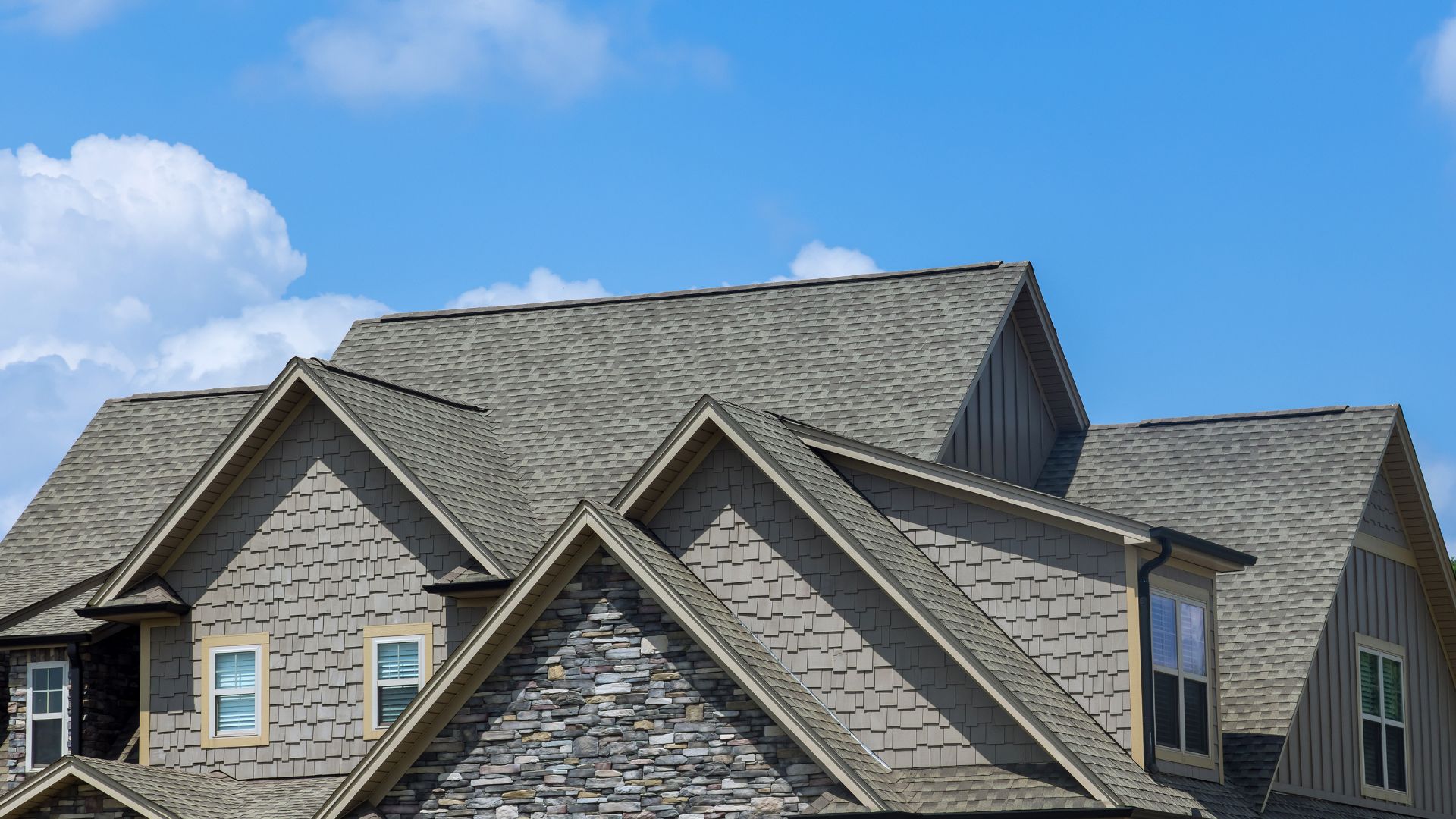
why is my roof leaking? common causes and fixes
A leaking roof can quickly go from a minor nuisance to a major headache if left untreated. Water intrusion can damage insulation, ceilings, walls, and even your home’s structural integrity. The good news? Many roof leaks stem from common, identifiable issues—and understanding the cause is the first step toward finding the right solution.
Here are the most common reasons your roof may be leaking and what can be done to fix them.
1. Damaged or Missing Shingles
Shingles are your roof’s first line of defense against the elements. When they become cracked, curled, loose, or go missing entirely, water can seep underneath and into your home.
Quick Fix:
Replace damaged or missing shingles as soon as possible to prevent further water penetration.
2. Cracked Flashing
Flashing is the metal material installed around roof penetrations such as chimneys, vents, and skylights. Over time, flashing can crack, rust, or pull away from the roof.
Quick Fix:
Repair or replace damaged flashing and reseal the surrounding area to restore a watertight barrier.
3. Clogged Gutters
When gutters become filled with leaves, dirt, and debris, water can back up onto the roof instead of draining away properly.
Quick Fix:
Clean gutters regularly and ensure downspouts are directing water away from the home.
4. Improperly Sealed Roof Valleys
Roof valleys are where two roof slopes meet, making them especially vulnerable to leaks if not properly sealed.
Quick Fix:
Have a roofing professional inspect and reseal the valleys if deterioration is present.
5. Damaged Vent Boots
Vent boots seal around plumbing vent pipes that protrude through the roof. These rubber seals can crack or deteriorate with age and UV exposure.
Quick Fix:
Replace worn vent boots before water can seep around the pipe opening.
6. Skylight Leaks
Skylights can develop leaks due to failed seals, damaged flashing, or poor installation.
Quick Fix:
Inspect the skylight perimeter for gaps or damage and reseal or replace flashing as needed.
7. Ice Dams in Winter
In colder climates, ice dams can form when snow melts and refreezes at the roof edge, trapping water behind the ice and forcing it under shingles.
Quick Fix:
Improve attic insulation and ventilation to reduce uneven roof temperatures and prevent ice dam formation.
8. Aging Roof Materials
Even the best roofing systems have a lifespan. As materials age, they naturally deteriorate and become more vulnerable to leaks.
Quick Fix:
If your roof is nearing the end of its lifespan, a replacement may be more cost-effective than repeated repairs.
When to Call a Professional
While some roofing issues may seem minor, leaks often originate in places that are difficult to identify without a full inspection. Water can travel far from the visible stain before dripping inside your home.
A professional roofing contractor can:
Accurately locate the source of the leak
Identify hidden damage
Recommend the most effective repair
Help prevent future leaks
Roof leaks rarely fix themselves—and waiting often leads to bigger, more expensive repairs. Whether the issue is damaged shingles, clogged gutters, worn flashing, or simple age, addressing the problem early can save you time, money, and stress.
If you’ve noticed signs of a roof leak, don’t ignore them. A prompt inspection and repair can protect your home and extend the life of your roof.