
Sun damage and your roof: how to identify and prevent uv wear
BACK
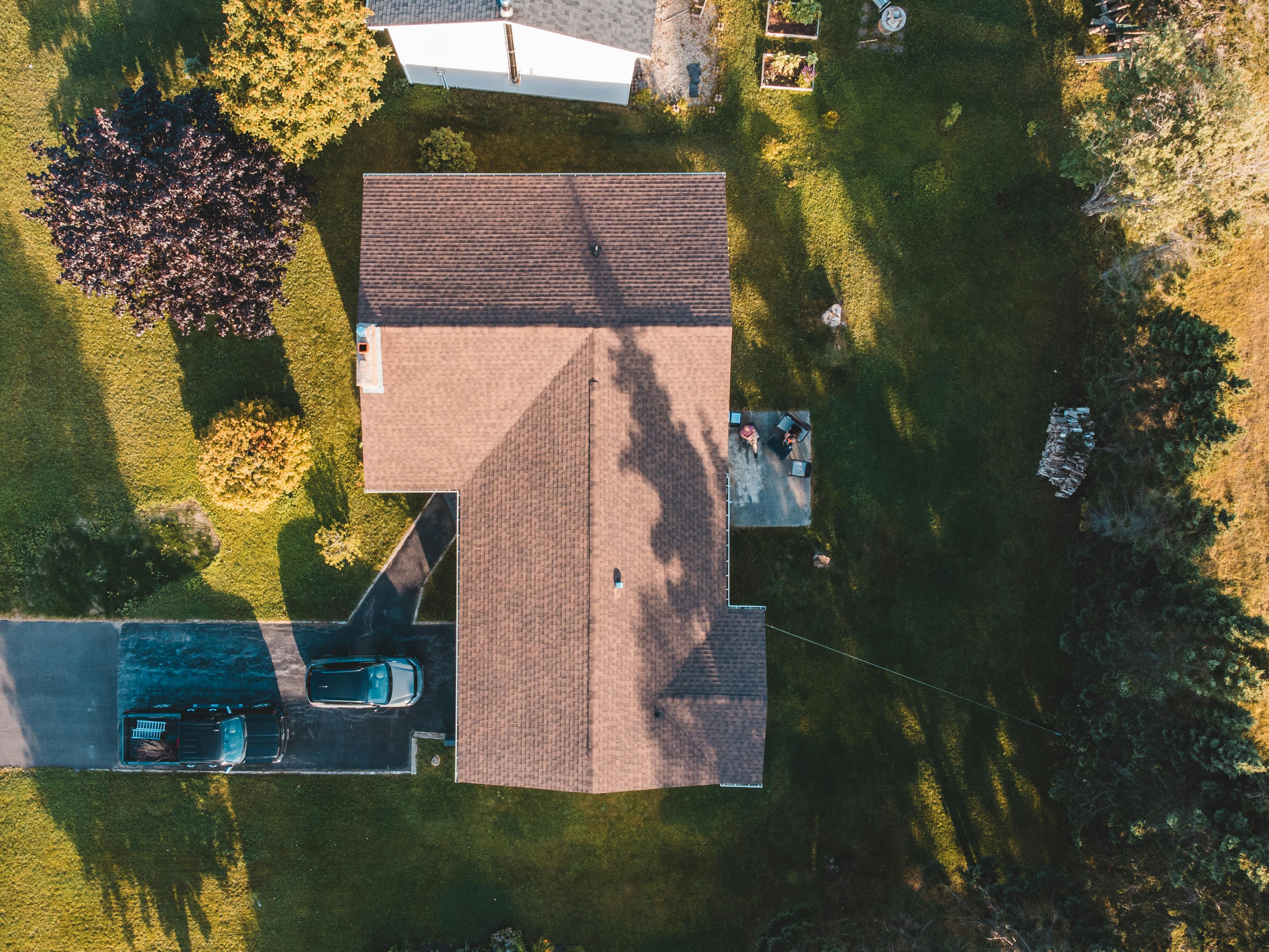
sun damage and your roof: how to identify and prevent uv wear
When homeowners think about roof damage, they often focus on rain, wind, and storms. However, the sun can be just as damaging over time. Constant exposure to ultraviolet (UV) rays can gradually break down roofing materials, reducing their lifespan and leaving your home vulnerable to leaks and other issues.
Here's how to spot the signs of sun damage and what you can do to protect your roof.
How UV Rays Affect Your Roof
Day after day, your roof absorbs direct sunlight. Over time, UV radiation can cause roofing materials to dry out, weaken, and lose their protective properties.
For asphalt shingles, prolonged sun exposure can cause:
Cracking and splitting
Curling edges
Fading and discoloration
Loss of protective granules
As roofing materials deteriorate, they become less effective at protecting your home from the elements.
Signs of Sun Damage
1. Curling or Cracked Shingles
Shingles that curl at the edges or show visible cracks are often experiencing age-related wear accelerated by UV exposure.
2. Excessive Granule Loss
If you notice large amounts of granules collecting in your gutters, your shingles may be breaking down. These granules help protect the roof from sunlight and weather.
3. Faded Appearance
While some color fading is normal, significant discoloration can indicate prolonged UV exposure and aging roofing materials.
4. Increased Energy Costs
A damaged roof may absorb more heat, forcing your cooling system to work harder during the summer months.
How to Prevent UV Roof Damage
Schedule Regular Roof Inspections
Routine inspections can identify early signs of wear before they become major problems.
Keep Your Roof Clean
Removing debris allows you to spot damaged areas and helps roofing materials perform as intended.
Address Small Repairs Quickly
Replacing damaged shingles early can prevent larger sections of the roof from deteriorating.
Consider Energy-Efficient Roofing Materials
Modern roofing products are often designed with enhanced UV resistance and reflective properties that help reduce heat absorption.
Why Prevention Matters
UV damage happens gradually, making it easy to overlook until significant wear has occurred. By identifying problems early and maintaining your roof regularly, you can extend its lifespan and avoid costly repairs or premature replacement.
Your roof faces the sun every day, and over time that exposure can take a toll. Watching for signs like curling shingles, granule loss, and fading can help you catch UV-related damage before it leads to bigger issues.
A professional roof inspection is one of the best ways to assess your roof's condition and ensure it continues protecting your home for years to come.
When homeowners think about roof damage, they often focus on rain, wind, and storms. However, the sun can be just as damaging over time. Constant exposure to ultraviolet (UV) rays can gradually break down roofing materials, reducing their lifespan and leaving your home vulnerable to leaks and other issues.
Here's how to spot the signs of sun damage and what you can do to protect your roof.
How UV Rays Affect Your Roof
Day after day, your roof absorbs direct sunlight. Over time, UV radiation can cause roofing materials to dry out, weaken, and lose their protective properties.
For asphalt shingles, prolonged sun exposure can cause:
Cracking and splitting
Curling edges
Fading and discoloration
Loss of protective granules
As roofing materials deteriorate, they become less effective at protecting your home from the elements.
Signs of Sun Damage
1. Curling or Cracked Shingles
Shingles that curl at the edges or show visible cracks are often experiencing age-related wear accelerated by UV exposure.
2. Excessive Granule Loss
If you notice large amounts of granules collecting in your gutters, your shingles may be breaking down. These granules help protect the roof from sunlight and weather.
3. Faded Appearance
While some color fading is normal, significant discoloration can indicate prolonged UV exposure and aging roofing materials.
4. Increased Energy Costs
A damaged roof may absorb more heat, forcing your cooling system to work harder during the summer months.
How to Prevent UV Roof Damage
Schedule Regular Roof Inspections
Routine inspections can identify early signs of wear before they become major problems.
Keep Your Roof Clean
Removing debris allows you to spot damaged areas and helps roofing materials perform as intended.
Address Small Repairs Quickly
Replacing damaged shingles early can prevent larger sections of the roof from deteriorating.
Consider Energy-Efficient Roofing Materials
Modern roofing products are often designed with enhanced UV resistance and reflective properties that help reduce heat absorption.
Why Prevention Matters
UV damage happens gradually, making it easy to overlook until significant wear has occurred. By identifying problems early and maintaining your roof regularly, you can extend its lifespan and avoid costly repairs or premature replacement.
Your roof faces the sun every day, and over time that exposure can take a toll. Watching for signs like curling shingles, granule loss, and fading can help you catch UV-related damage before it leads to bigger issues.
A professional roof inspection is one of the best ways to assess your roof's condition and ensure it continues protecting your home for years to come.